Traveling across the United States feels very different from traveling in Europe. Distances stretch longer, landscapes change faster, and the mindset around movement reflects freedom and flexibility. Understanding how Americans travel the USA helps visitors experience the country more deeply, efficiently, and authentically.
For travelers from Europe and beyond, the United States offers valuable lessons about independence, planning, and adapting to vast geography. This guide explains USA travel culture, local habits, and the best ways to travel like an American, so you can explore confidently and comfortably.
How Americans Travel the USA: Understanding the Big Picture
To understand how Americans travel domestically, you first need to understand the size of the country. The United States spans nearly 5,000 kilometers from coast to coast. Because of this, Americans think about travel differently than many Europeans.
Instead of frequent short trips by train, Americans often choose fewer but longer journeys. Moreover, they plan travel around time off work rather than distance. As a result, travel in the United States often focuses on efficiency, flexibility, and personal comfort.
Freedom and Independence Shape Travel Choices
Americans value independence while traveling. Therefore, many prefer options that let them move on their own schedule. Cars, rental vehicles, and domestic flights dominate travel decisions. Although public transportation exists, it rarely matches European coverage outside major cities.
Because of this, how Americans travel the USA revolves around self-reliance. Travelers plan routes, manage stops, and adjust plans easily. This mindset surprises many visitors but quickly becomes empowering.
Travel Is Often Purpose-Driven
Americans often travel with a clear purpose. They might visit family, explore national parks, attend events, or enjoy theme parks. Leisure travel still matters, but trips usually center around specific goals.
For visitors, adopting this approach improves trip planning. When you define a clear purpose, you travel smarter, save time, and avoid burnout.
How Americans Plan Road-First Vacations Across the United States
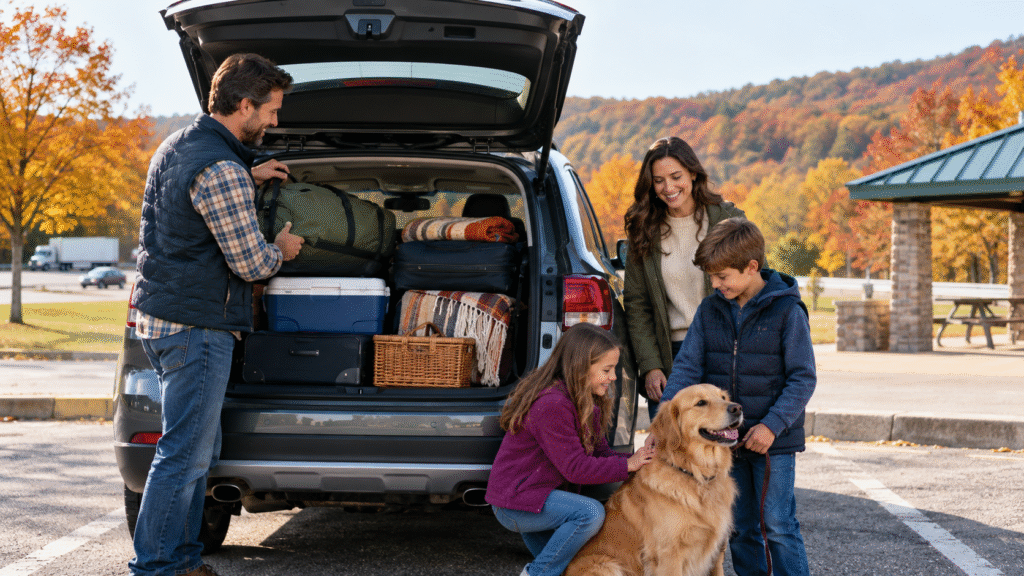
One of the most defining elements of USA travel culture is the road trip. Cars symbolize freedom, discovery, and adventure. Therefore, how Americans plan road-first vacations offers valuable lessons for visitors.
Why Road Trips Matter So Much
Road trips allow Americans to explore regions rather than just cities. They connect small towns, national parks, diners, and roadside attractions. Because flights skip these details, driving remains central to how Americans travel the USA.
Additionally, highways in the United States support long-distance driving. Gas stations, rest stops, and food options appear regularly, which reduces stress for travelers.
How Locals Design Road Trips
Americans plan road trips with flexibility in mind. Instead of strict schedules, they focus on routes and highlights. They choose scenic highways, famous landmarks, and regional food stops.
Moreover, locals often book accommodations as they go. This habit allows them to adapt to weather, traffic, or personal preferences. For European visitors, this approach may feel spontaneous. However, it creates memorable experiences and reduces pressure.
What Visitors Can Learn From American Road Travel
Visitors can benefit greatly by adopting this style. Renting a car opens access to hidden destinations. National parks, coastal highways, and desert landscapes become reachable and enjoyable.
Additionally, road trips help travelers understand regional diversity. Driving from California to Nevada or from Texas to New Mexico reveals cultural and environmental contrasts that flights never show.
Travel Habits Locals Use in the United States That Visitors Should Know
Understanding travel habits locals use in the United States helps visitors avoid frustration and travel more smoothly. These habits reflect practicality, comfort, and efficiency.
Planning Around Time, Not Distance
Americans think in hours rather than kilometers. A three-hour drive feels normal, while a six-hour drive feels reasonable for a weekend trip. Because of this, how Americans travel domestically focuses on travel time rather than physical distance.
For European travelers, adjusting this mindset improves planning. Always check driving times, traffic patterns, and time zones before finalizing plans.
Comfort Comes First
Comfort plays a major role in travel in the United States. Americans prioritize spacious accommodations, comfortable vehicles, and convenience. Hotels often include large rooms, free parking, and easy access to highways.
Moreover, travelers expect air conditioning, drive-through services, and flexible dining options. Embracing these comforts helps visitors travel like locals and reduce fatigue.
Dining and Stops Shape the Journey
Americans incorporate food into travel planning. Road trips often revolve around diners, fast-casual chains, and regional specialties. These stops break up long drives and add enjoyment.
For visitors, exploring local food enhances cultural understanding. Trying barbecue in Texas or seafood along the New England coast adds depth to the journey.
Best Ways to Travel Like an American in the United States
Learning the best ways to travel like an American allows visitors to move confidently and efficiently. These strategies reflect real-life travel habits rather than tourist stereotypes.
Mix Flights With Driving
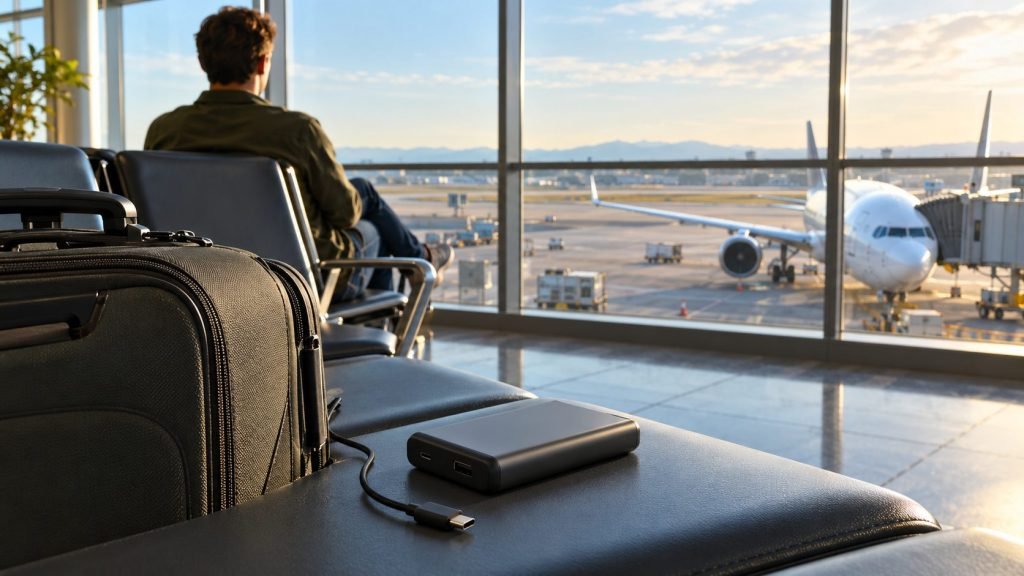
Americans often combine domestic flights with road travel. They fly long distances, then rent cars locally. This method saves time while maintaining flexibility.
For example, flying into Los Angeles and driving the Pacific Coast Highway mirrors how Americans travel the USA. Visitors should adopt this hybrid approach for longer trips.
Embrace Domestic Flights
Because distances are vast, domestic flights play a crucial role in how Americans travel domestically. Flights between major cities remain affordable and frequent.
European visitors should not hesitate to fly between regions. Doing so maximizes time and reduces exhaustion, especially on shorter trips.
Plan Fewer Stops, Stay Longer
Americans prefer fewer destinations with longer stays. Instead of rushing through multiple cities, they explore regions deeply. This habit improves relaxation and cultural immersion.
Visitors often try to see too much. Slowing down aligns better with USA travel culture and improves the overall experience.
Use Technology to Stay Flexible
Technology supports how Americans travel the USA. Navigation apps, hotel booking platforms, and food delivery services simplify travel.
Visitors should rely on GPS rather than printed maps. Real-time traffic updates and route changes help avoid delays and stress.
How Americans Travel the USA Compared to Europe
Understanding differences between American and European travel styles helps visitors adjust expectations. While Europe emphasizes connectivity, the United States emphasizes independence.
Infrastructure Reflects Culture
European travel relies heavily on trains and public transport. In contrast, travel in the United States depends on highways and airports. Cities spread outward, making cars essential.
This difference shapes how Americans travel domestically. Once visitors accept this reality, travel becomes smoother and more enjoyable.
Flexibility Over Precision
European travel often follows strict schedules. American travel allows more flexibility. Delays happen, routes change, and plans evolve.
Visitors who embrace flexibility travel more comfortably. This mindset reflects authentic USA travel culture.
Final Thoughts: What Visitors Can Learn From How Americans Travel the USA
Learning how Americans travel the USA gives visitors practical tools and cultural insight. From road-first vacations to comfort-driven planning, American travel habits prioritize freedom and efficiency.
By understanding how Americans plan road-first vacations, adopting travel habits locals use in the United States, and following the best ways to travel like an American, visitors can experience the country authentically.