Cracking the Code: My Insider Guide to Budget Travel USA (Without Eating Instant Noodles Every Night)
Alright, so you’ve got that itch, right? That undeniable craving to hit the open road, see some incredible sights, maybe finally visit that national park everyone raves about. But then reality hits. The USA, with all its glory, can feel… well, kind of expensive. I mean, let’s be honest. Airfares, hotels, gas, food – it all adds up faster than you can say “road trip.”
But here’s the thing, and trust me on this because I’ve been living it for nearly a decade: budget travel USA is absolutely, 100% doable. You just need to know the tricks, the insider scoops, and sometimes, the hard truths. I’ve zigzagged this country more times than I can count, from the humid bayous of Louisiana to the chilly peaks of Montana, all on a serious shoestring. And no, I didn’t survive solely on ramen. Though, I won’t lie, there was that one week in Arizona…
Let’s ditch the idea that affordable travel in the USA means sacrificing fun or authenticity. It just means being smart. Really smart. So, pull up a chair, grab a cheap coffee (mine’s a black drip from a gas station, a true budget traveler’s staple), and let’s get into how you can pull off some seriously cheap travel America.
So, You Wanna Hit the Road? Let’s Talk Wheels (and Wings)
Transportation is usually where a huge chunk of your budget vanishes, yeah? It’s a beast. But you’ve got options, good ones too, for low cost travel USA.
Flying Smart: It’s a Game, Not a Guess
My first big mistake, way back when, was always just checking Google Flights and picking the cheapest one. Turns out, there’s a bit more to it. You gotta be a detective. I remember booking a ‘cheap’ flight to Denver once, only to realize the airport was an hour from the city and the shuttle cost nearly as much as the flight itself! Lesson learned, the hard way, about those hidden fees.
- Be Flexible with Dates: This is the golden rule. Tuesdays, Wednesdays, and Saturdays are often your cheapest flying days. Flying out on a Monday morning or Friday evening? Forget about it. Those are prime business travel times, and prices spike. I once saved like $150 on a round-trip to Seattle just by pushing my departure from a Friday to a Tuesday morning. It’s a big deal.
- Consider Budget Airlines (Carefully!): Frontier, Spirit, Allegiant – they can offer incredible fares. I’ve snagged flights from Orlando to Philadelphia for under $50. But here’s the catch: they nickel and dime you for *everything*. Checked bags? That’ll be $60. Carry-on? Another $40. Picking a seat? Yup, more money. My strategy? A small backpack that fits under the seat, no frills, no seat selection. I flew Spirit from Vegas to LA once, and the bag fees would’ve made a traditional airline cheaper. So, do the math first. Always.
- Alternate Airports: Don’t just search for LAX. Look at Burbank (BUR), Long Beach (LGB), or even Ontario (ONT) if you’re heading to the L.A. area. Same goes for New York (JFK, LGA, EWR), Chicago (ORD, MDW), and pretty much any major city. Flying into smaller airports can seriously trim your budget, sometimes cutting flight costs by a third. I tried this for a trip to San Francisco, flying into Oakland instead of SFO, and the BART ride into the city was a breeze and way cheaper than the SFO-specific express options.
- Set Price Alerts: Use tools like Google Flights, Skyscanner, or Kayak. They’ll email you when prices drop. This is a game-changer for budget vacations USA.
Road Trippin’ on a Dime: Your Frugal Travel USA Manifesto
Okay, so road trips are my jam. I’ve done them solo, with friends, even with a dog once. And this is where you can truly experience America on a budget.
- Your Own Car: If you have a reliable car with good gas mileage, this is often the most budget-friendly option. Just remember to get it serviced before you go. A breakdown in the middle of nowhere Wyoming? That’s not a money-saving travel tip USA, trust me. I learned that after a flat tire near Grand Junction, Colorado. Thank goodness for AAA!
- Rental Cars: Sometimes you just need one. Book well in advance, and always, always check for discount codes (AAA, AARP, credit card perks). Skip the rental company’s insurance if your personal car insurance or credit card covers it – that’s a huge upsell. And don’t forget to fill up the tank *before* returning it, their gas prices are outrageous. I once paid $9 a gallon because I was rushing to catch a flight. Ouch.
- Gas Apps: Get GasBuddy or similar apps. Seriously. Gas prices can vary by 50 cents or more per gallon even within a few miles. Over a thousand-mile road trip, that adds up to real savings.
- Consider Public Transportation (Yes, really!): In cities, forget taxis or ride-shares for the most part. Buses and subways are your friends. A single fare in NYC is $2.90. A cab from Times Square to Brooklyn? Easily $30+. Many cities, like Boston, Chicago, and Washington D.C., have fantastic public transit systems. For longer distances, Greyhound or Amtrak can be shockingly affordable if you book far enough in advance. It’s slower, sure, but it’s an experience. Plus, you see the country from a different perspective, not just a highway blur.
Where to Lay Your Head (Without Breaking the Bank)
Accommodation is another killer for your travel USA on a budget plan. But you don’t need to sleep in your car (unless you want to, I’ve done it, and it’s… an option).
- Hostels: Don’t roll your eyes! Modern hostels are not just for 20-year-old backpackers anymore. Many offer private rooms, and they’re often in prime city locations. Plus, they have kitchens (hello, food savings!) and common areas to meet other travelers. I stayed at The Green Tortoise Hostel in Seattle last summer, just blocks from Pike Place Market, and it was clean, friendly, and cost me $35 a night. Compare that to a hotel at $200!
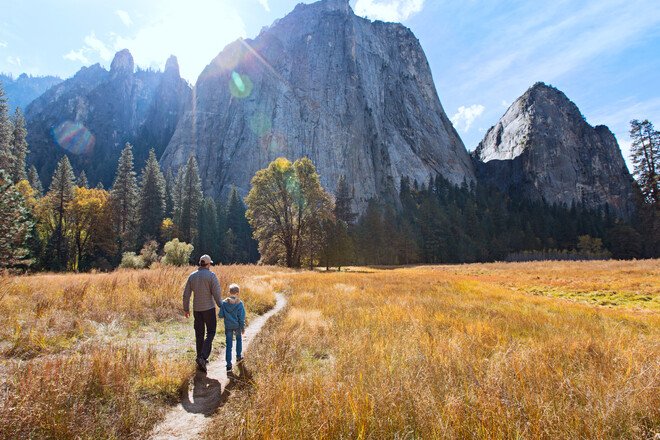
- Camping: My absolute favorite way to see the cheap places to visit in USA. National Parks, State Parks, Bureau of Land Management (BLM) lands – you can find campsites for $10-$30 a night, or even free on BLM land. I spent a week camping through Utah’s Mighty 5 National Parks, and my accommodation costs were negligible. The downside? You need gear, and some popular spots (looking at you, Yellowstone and Yosemite) book up *months* in advance. You have to be on it! National Park Service campgrounds often open reservations six months out, and they disappear in minutes. Literally.
- Budget Hotels/Motels: Think Motel 6, Super 8, Travelodge. They’re not glamorous, but they’re clean enough for a night or two. Look for ones outside the immediate downtown area for better rates. They often come with free breakfast, which is a small but mighty win for your budget.
- House Sitting/Pet Sitting: This requires some planning and trust, but it can mean free accommodation for weeks! Websites like TrustedHousesitters connect owners with sitters. I spent three weeks house-sitting in Austin, Texas, once, taking care of two adorable corgis, and it was a fantastic way to experience a city like a local without paying a dime for lodging. Plus, dog cuddles!
- Couchsurfing: This is for the truly adventurous and open-minded. You stay on someone’s couch (or spare room) for free. It’s a great way to meet locals, but obviously, vet your hosts carefully and trust your gut.
Fueling Your Adventures: Eating Well on a Budget
Eating out every meal is probably the quickest way to blow your budget. Seriously. It’s easy for food costs to sneak up on you, especially in touristy areas. Remember that time I paid $25 for a mediocre burger and fries near Times Square? Never again.
- Cook Your Own Meals: If your accommodation has a kitchen (hostel, Airbnb, campsite), use it! This is the #1 money saving travel tip USA. Hit up local grocery stores. I can make a week’s worth of breakfasts and lunches for what two restaurant dinners would cost. My go-to cheap campsite meal? Pasta with canned sauce and some sausage. Easy, filling, and under $10 for two people.
- Pack Snacks & Water: Always. A bottle of water at an airport or tourist attraction can be $4-$5. Buy a reusable bottle and fill it up. Snacks prevent those impulse buys when you’re hangry. Trail mix, granola bars, fruit – simple stuff.
- Street Food and Food Trucks: These are goldmines for cheap eats. In cities like Portland, Austin, or L.A., you can find incredible, diverse, and affordable meals from food trucks. I found a fantastic bahn mi for $8 in Seattle that was better than many sit-down restaurant versions.
- Happy Hour & Lunch Specials: If you really want to try a nicer restaurant, go for happy hour appetizers or lunch specials. You often get a taste of the place without the dinner price tag.
- Avoid Tourist Traps: Restaurants right outside major attractions are usually overpriced and often not very good. Walk a few blocks away, explore local neighborhoods, and you’ll find better food for less.
Free & Cheap Activities: Fun Doesn’t Cost a Fortune
You don’t need to empty your wallet to have an amazing time. There are so many budget friendly trips in America, and activities to go with them.
- National & State Parks: An annual ‘America the Beautiful’ pass for National Parks is $80. It covers entry for one vehicle (or up to 4 people) for an entire year. If you plan to visit even three parks, it pays for itself. Without it, some parks like Zion or Grand Canyon charge $35 per vehicle for a 7-day pass. And many parks, like Great Smoky Mountains, are completely free!
- Hiking & Nature Trails: Free. Always free. Just bring water and good shoes. The scenery alone is worth millions.
- Free Museum Days/Hours: Many museums in major cities offer free admission on specific days or evenings. Check their websites! The Smithsonian museums in D.C. are always free, which is incredible.
- City Walking Tours: Look for ‘free’ walking tours – they operate on a tip-only basis. It’s a fantastic way to learn about a city from a local. Just be sure to tip your guide well; they work hard.
- Picnics: Instead of a costly restaurant meal, grab some groceries and have a picnic in a beautiful park. Central Park in NYC, Golden Gate Park in San Francisco, Millennium Park in Chicago – they’re perfect.
- Local Events: Check local city event calendars. There are often free concerts, festivals, farmers markets, and art walks happening, especially in warmer months.
The Mental Game: Mindset for Travel USA on a Budget
Okay, this part is pretty crucial, honestly. It’s not just about the tangible stuff, it’s how you approach it.
- Be Flexible: Seriously, this is probably the most important thing. If your plan is set in stone, you’ll likely pay more. Being able to shift your dates, destinations, or even your method of transport can unlock huge savings. That cheap flight to Dallas disappeared? Maybe there’s a killer deal to Houston instead. Or heck, drive.
- Travel During Shoulder Seasons: This means spring and fall. The weather is often pleasant, and crowds are smaller, which translates to cheaper everything. Avoid peak summer (especially in national parks) and major holidays. I tried visiting Arches National Park in July once, and the heat, combined with the hordes of people, pretty much ruined the experience. Going back in October was a dream.
- Embrace the Unexpected: Some of my best memories from budget friendly trips in America came from plans gone awry. Getting lost and stumbling upon a local festival, striking up a conversation with a stranger who gives you an amazing recommendation, or finding a hidden gem café off the beaten path.
- Don’t Be Afraid to Ask: Locals know best. Ask hotel staff, hostel workers, even your server for recommendations on affordable eats or free activities.
- Set a Daily Budget (and Track It): This sounds boring, but it’s so effective. Decide how much you can spend per day and stick to it. Use an app or a small notebook. It keeps you accountable.
Where to Go? Some Cheap Places to Visit in USA
Some places just lend themselves better to budget travel USA than others. While you can make almost anywhere work with the right strategies, these spots often have a lower cost of living or tons of free activities built in:
- The Southwest (Arizona, New Mexico, Utah): Seriously, national parks are the star here. Camping is cheap, and the scenery is unparalleled. Think Grand Canyon, Zion, Bryce, Arches, Monument Valley. Gas can be a bit more expensive in remote areas, but the low cost of entry to wonders makes up for it.
- The Pacific Northwest (Oregon, Washington): Especially outside of Seattle proper. Portland, for example, has an amazing food truck scene and plenty of free nature close by. Camping near the coast or in the mountains is fantastic.
- Southern Cities (New Orleans, Savannah, Charleston): While food and drinks can add up, these cities offer incredible history, architecture, and street life that’s completely free to soak in. Walking tours, park visits, and just strolling through historic districts don’t cost a dime. I spent a few days in New Orleans just wandering the French Quarter, listening to street musicians, and eating po’boys from corner delis – it was pure magic and surprisingly cheap.
- The Appalachian Trail/Shenandoah National Park: For the hikers, this is a truly immersive and incredibly cheap travel America experience. Backcountry camping permits are often free or very low cost.
Who This Isn’t For (And That’s Okay!)
Look, I’m not going to oversell it. If your idea of a vacation involves room service, high-end dining, and skipping queues, then some of these tips might not be for you. Frugal travel USA requires a certain level of comfort with uncertainty, a willingness to rough it a little, and an open mind. If you hate public transport, can’t stand the thought of a hostel dorm, or need five-star amenities, you’ll need a different kind of budget (or a different travel style entirely!). And that’s totally fine, but it’s important to be realistic about your own preferences.
FAQs: Your DMs Answered!
Got a couple questions I get asked all the time, so let’s hit ’em.
“How much money should I REALLY budget per day for budget travel USA?”
Honestly? It depends so much on your style. But if you’re hardcore about it, using hostels/camping, cooking most meals, and sticking to free activities, you could realistically aim for $50-$75 per person per day. That’s for *everything* once you’ve gotten to your main destination. If you want a cheap hotel instead of a hostel, or eat out a bit more, maybe bump it up to $75-$100+. This doesn’t include big chunks like long-distance flights or multi-day rental cars, those are upfront costs. My average for a recent two-week road trip through the Rockies was around $65/day, including gas, camping, and a mix of grocery store food and a few cheap restaurant meals.
“Is it safe to do solo budget travel America, especially as a woman?”
Yes, absolutely. I’ve done countless solo trips, and I’m a woman. The key is common sense and trusting your gut. Research your destinations, especially neighborhoods if you’re staying in a city. Share your itinerary with someone back home. Hostels are generally very safe and social environments. Camping solo in a national park can be incredibly empowering, but make sure you’re prepared and aware of your surroundings. I always carry pepper spray and a personal alarm, just for peace of mind. And honestly, most people you meet on the road are genuinely kind and helpful.
Go Forth and Explore!
So, there you have it. My not-so-secret playbook for making budget travel USA a reality. It’s not always glamorous, sure, and sometimes you’ll make a mistake (like that time I ended up with a flat tire in the middle of nowhere, or overpaid for a bland airport sandwich). But those moments, even the slightly annoying ones, they’re part of the adventure. And the incredible memories you make? Those are priceless, even when the trip itself was cheap.
So, what are you waiting for? Start planning those budget vacations USA! The open road is calling, and your wallet doesn’t have to scream.