So you’re itching to get outside, breathe some fresh air, and maybe snap a few envy-inducing photos for your Instagram? That’s awesome! But maybe the thought of scaling a mountain like, well, a mountain, feels a little… much, right now. I get it. I’ve been there. Years ago, when I first started trying to get out more, I’d see these epic photos and think, “There’s no way I could do that.” Turns out, I was wrong. You don’t need to be a seasoned mountaineer to enjoy the beauty of the great outdoors. The USA is absolutely packed with beginner hiking trails that are super accessible and totally rewarding.
Where Do I Even Start? The Magic of Easy Hikes USA
Honestly, finding easy hikes USA is way easier than you might think. The key is looking for trails that are relatively flat, well-maintained, and not too long. I’m talking about paths that feel more like a pleasant stroll through nature than a brutal workout. Think gentle inclines, clear paths, and maybe a few fun little bridges or streams to cross. The goal is to enjoy the scenery and feel good, not to push yourself to the absolute limit on your first go.
My First Foray into the Woods: Red Rocks, Nevada
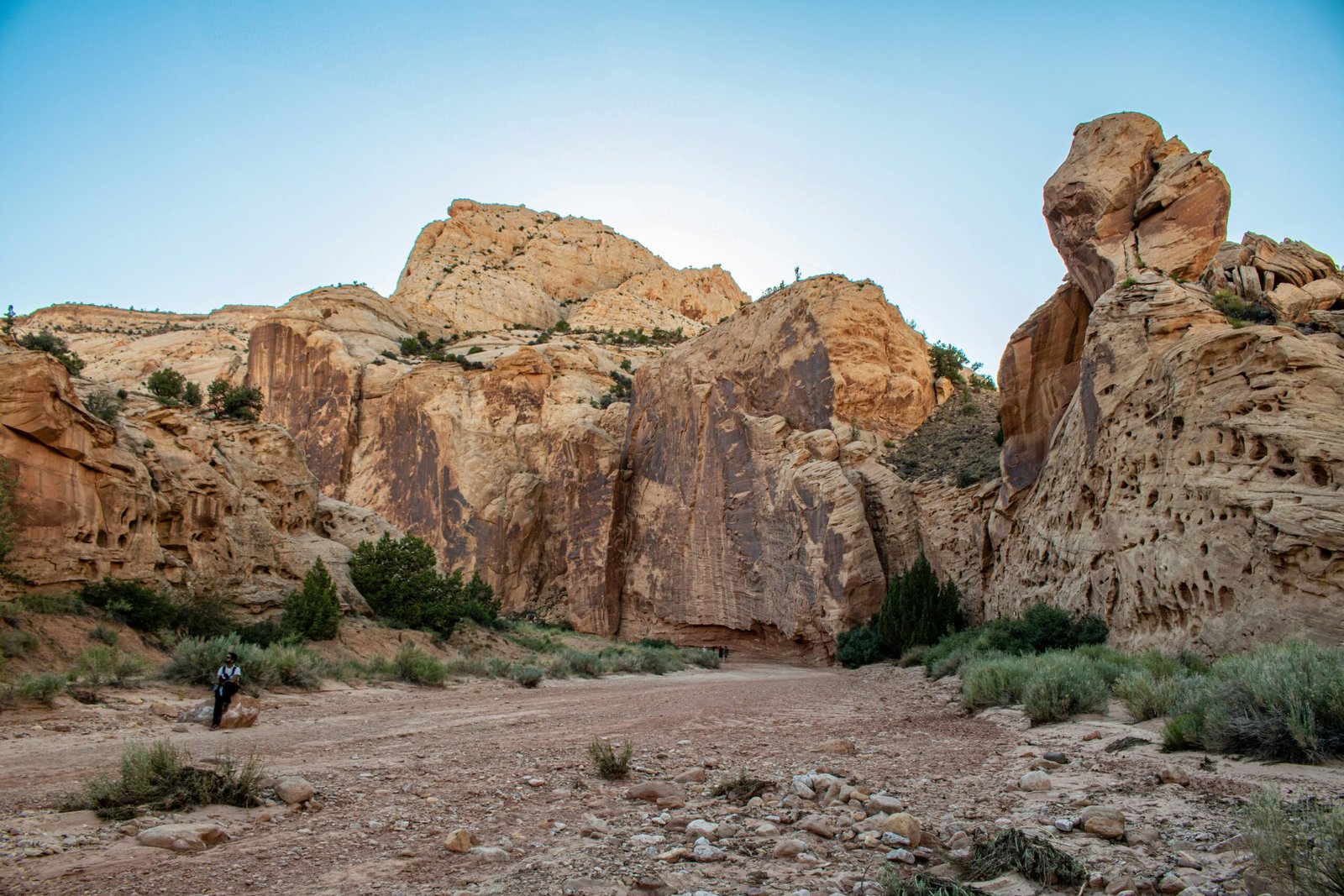
One of my earliest, and still favorite, beginner experiences was at Red Rocks National Conservation Area near Las Vegas. Yeah, I know, Vegas isn’t exactly synonymous with nature, but it’s surprisingly close! I remember one trip in particular, it was March, so the desert was actually *pleasant*. We did the short loop trail that winds around the Calico Basin area. It was maybe a mile or two tops, mostly flat with some sandy bits. The vibrant red rocks were just stunning, and honestly, the biggest exertion was stopping to take pictures. It cost about $15 to get into the park for the day, which felt like a steal for the views we got. We packed our own water and some snacks, which I learned early on is a total game-changer. No need to pay $5 for a lukewarm bottle inside!
What Makes a Hike Truly “Beginner-Friendly”?
It’s not just about length, although that’s a big part of it. For beginner hiking trails USA, here’s what I look for:
- Elevation Gain: Keep it under 500 feet (that’s roughly 150 meters) for your first few outings. Anything more can start to feel like a real climb.
- Trail Surface: Paved paths, well-packed dirt, or gravel are your friends. Avoid rocky, root-filled, or sandy trails until you’re a bit more comfortable.
- Marking: Clear trail markers are a lifesaver. You don’t want to be second-guessing which way to go every five minutes. The National Park Service is usually really good about this.
- Accessibility: Can you get to the trailhead easily? Is there parking? These practicalities matter for a smooth experience.
- Cell Service: While it’s great to disconnect, having a little cell service can be reassuring. Many popular easy hikes USA have at least spotty service.
A Lesson Learned (The Hard Way!)
Okay, so speaking of lessons learned, I once drove hours to a supposed “beautiful nature spot” only to find the parking lot was tiny and cost $20! And then the trail itself was overgrown and super muddy. I ended up turning back after maybe 15 minutes because I felt so unprepared and frankly, a little annoyed. It was a good reminder to always do a quick Google search for recent reviews or trailhead info. Sometimes, a trail that *looks* easy on paper can have unexpected challenges. Now, I usually check AllTrails or similar apps for recent photos and comments from other hikers. It’s saved me time, money, and a lot of frustration.
More Incredible Beginner Hiking Trails USA Options
If you’re looking for specific places, here are a few ideas that I’ve either done or are consistently recommended for beginners:
1. Zion National Park, Utah: The Pa’rus Trail
This one is a gem. It’s paved, relatively flat, and follows the Virgin River. You get those iconic Zion canyon views without any of the strenuous climbing. It’s about 3.5 miles roundtrip and perfect for a leisurely afternoon. I did this with my folks, and they absolutely loved it. We rented bikes one day and biked it, which was also super fun and an easy way to cover more ground.
2. Acadia National Park, Maine: Jordan Pond Path
Acadia is gorgeous! The Jordan Pond Path is a flat, 3.3-mile loop that goes around the pond. It’s mostly gravel and boardwalk, with a few rocky sections, but totally manageable. The views of the Bubbles mountains are just breathtaking. Plus, you can totally treat yourself to popovers at the Jordan Pond House afterward. It’s a whole experience!
3. Great Smoky Mountains National Park, Tennessee/North Carolina: Gatlinburg Trail
This trail is unique because it’s one of the few in the Smokies that allows dogs and bicycles. It’s a 1.9-mile (one way) paved path that runs alongside the West Prong of the Little Pigeon River. It’s pretty much flat and takes you through lovely woodlands. You can walk as far as you want and turn back, making it super flexible.
4. Rocky Mountain National Park, Colorado: Sprague Lake Loop
Sprague Lake is a classic for a reason. The loop is less than a mile, completely flat, and offers stunning reflections of the surrounding peaks in the water. It’s accessible and just unbelievably scenic. I went in late September once, and the aspens were golden. Magical!
Who This is NOT For (Yet!)
While I’m all about getting started, these aren’t the hikes for you if you’re looking for:
- Extreme challenges
- Wilderness survival practice
- Routes requiring special gear (ropes, ice axes, etc.)
- Anything over 5 miles with significant elevation gain
And remember, even on the easiest trails, it’s wise to wear comfortable shoes, bring water, and let someone know where you’re going. It’s about safety first, always!
Quick Q&A for New Hikers
Q: Do I really need special hiking boots?
A: For most beginner trails USA, honestly, no. Good, sturdy sneakers with decent tread will be perfectly fine. Save the boots for when you start tackling steeper or more rugged terrain. I still use my favorite comfy running shoes for many easy walks!
Q: How much water should I carry?
A: A general rule of thumb is about a liter (or half a gallon) per person for a few hours of moderate activity. On a hot day or if you’re hiking longer, definitely bring more. I always carry a reusable water bottle and a smaller one just in case. Better to have extra and not need it, right?
Q: What if I see wildlife?
A: Most of the time, wildlife wants nothing to do with you! Just keep your distance, don’t feed them (seriously, don’t!), and make a little noise as you walk so you don’t surprise anything. For bears, always know the local recommendations – usually, making noise and carrying bear spray is advised in bear country.
So there you have it! Starting your hiking journey doesn’t need to be intimidating. There are so many incredible beginner hiking trails USA waiting for you. Get out there and explore!