So, you’re thinking about hitting the road, seeing the sights, but keeping your wallet happy? Awesome! Backpacking the USA is, like, one of the coolest things you can do. I’ve spent the last five years crisscrossing this massive country, from the dizzying heights of the Rockies to the sweltering humidity of the Bayou, and let me tell you, it’s an experience like no other. Forget those glossy brochures; this is the real deal. This USA backpacking guide is packed with everything I’ve learned – the good, the bad, and the downright hilarious.
So, Like, What’s The Big Idea With Backpacking America?
Honestly, it’s about freedom. It’s about seeing places you only dreamed of, meeting people who will blow your mind, and doing it all on your own terms. And yeah, it’s about being smart with your money. Budget backpacking USA is totally achievable, even with gas prices being what they are. It means a bit more planning, sure, but the rewards are immense. You get to feel like you’re really *traveling*, not just being shuttled from one tourist trap to the next.
My First Time (And What I Totally Messed Up)
My maiden voyage? A solo trip from Chicago to New Orleans. I thought I knew everything. I booked hostels weeks in advance (which is usually a good idea, but the pricing on some of those apps can be a bit deceiving – always double-check the hostel’s own site too!). I ended up paying an extra $30 for a “private room” in a dorm that was basically a closet. A closet with a window looking out at a brick wall. Ugh. And the food? I ate at chain restaurants way too much. Wasted money, wasted experience. Lesson learned: embrace the local diners. Seriously, the best BBQ I ever had was in a blink-and-you’ll-miss-it joint outside of Memphis. The sign was half-falling off, but the pulled pork? Heaven. And it cost me like $10.
Backpacking USA Tips: The Real Deal
Alright, let’s get down to it. Here’s what’s worked for me, and hopefully, it’ll save you some headaches and cash.
Getting Around: Buses, Trains, and Hitchhiking (Maybe?)
This is a big one for budget backpacking USA. Flying is usually out. Your best friends here are:
- Greyhound/FlixBus: These are the workhorses. They go everywhere. Yes, the seats can be… cozy. And yes, sometimes the Wi-Fi is a myth. But for intercity travel, they are king. I’ve spent hundreds of hours on these buses, and while I wouldn’t call them luxurious, they get the job done. Pro tip: Book your tickets a few weeks in advance, especially for popular routes. Last-minute tickets can be surprisingly pricey. Also, pack snacks. Always pack snacks.
- Amtrak: This is the more scenic, slightly more comfortable option. It’s definitely pricier than the bus, but if you can snag a deal or are going on a route where the scenery is killer (hello, California Coast Starlight!), it’s worth considering. I took the train from Denver to Salt Lake City and watched the mountains change color as the sun set. Worth every penny.
- Ridesharing/Carpooling Apps: Like BlaBlaCar (though less common in the US now, look for local Facebook groups for rideshares). This can be a great way to meet people and split costs, but obviously, it’s a bit more spontaneous and you need to vet your drivers carefully. I’ve done this a few times for shorter hops, like Denver to Boulder, and it was fine.
- Hitchhiking: Okay, look. This is probably not for the beginner backpacking USA traveler, or even most solo backpackers. It’s risky. While I know people who swear by it and have had amazing experiences, I personally wouldn’t recommend it for anyone unless you have a very specific, well-thought-out plan and a high tolerance for risk. The National Park Service doesn’t officially endorse it, and it’s generally discouraged.
Accommodation: Beyond the Pricy Hotels
This is where you save serious dough. You absolutely *can* do cheap backpacking trips USA if you’re smart about where you sleep.
- Hostels: Your bread and butter. Expect dorm rooms, shared bathrooms, and kitchens. They are fantastic for meeting other travelers. I’ve stayed in some incredible hostels – The Green Tortoise in Seattle was a blast, and the HI Los Angeles Santa Monica is right on the beach. Prices can range from $25-$60 a night depending on location and room type. Look for ones with good reviews for cleanliness and atmosphere.
- Camping: If you’re heading to the National Parks or anywhere with open land, camping is your budget dream. State parks are often cheaper than National Parks. Some places even offer dispersed camping (free camping on public land where permitted). This requires gear, though, which is an initial investment. I bought a decent two-person tent at REI for about $100, and it’s paid for itself a hundred times over.
- Couchsurfing: Still a thing! It’s about staying with locals for free. It’s a more immersive experience, but it requires sending personalized requests and being a good guest. I’ve had a few Couchsurfing stays, and the best was in Austin, Texas, where my host took me to a local music venue I never would have found.
- Budget Motels/Airbnb: If you’re really struggling or need a private room, look for older, independent motels on the outskirts of towns. They’re not fancy, but they’re usually cheap. Airbnb can sometimes offer good deals, especially if you’re traveling with a friend and can split a room or small apartment.
Food: Eat Like a Local, Not a Tourist
This is how I cut down costs significantly. Eating out every meal at a sit-down restaurant will drain your budget faster than you can say “$20 burger.”
- Grocery Stores: Your best friend. Hit up Kroger, Safeway, Walmart, Trader Joe’s – whatever you find. Buy bread, cheese, fruit, peanut butter, and granola bars. Easy lunches and breakfasts.
- Picnics: Pack a lunch and find a scenic spot. I’ve had amazing lunches in Golden Gate Park, overlooking the Grand Canyon (okay, that was a pricey sandwich, but still!), and by the Mississippi River.
- Food Trucks & Local Joints: Seek out the hidden gems. Tacos from a truck in California? Amazing. A slice of pizza from a no-frills place in New York? Iconic. Ask locals for recommendations. They’ll point you to the good stuff that won’t break the bank.
- Hostel Kitchens: If you’re in a hostel, use the kitchen! Cooking simple meals like pasta or stir-fry will save you a fortune.
Solo Backpacking USA: Embracing the Adventure
Traveling alone in the USA is incredibly empowering. I started my solo backpacking USA adventures a few years back, and honestly, it was the best decision. You get to do exactly what *you* want, when *you* want. No compromises. It forces you to be more outgoing, to strike up conversations, and to really rely on yourself.
Safety first: Always let someone know your itinerary. Share your location with a trusted friend or family member. Be aware of your surroundings, especially in big cities at night. Don’t flash expensive gear or large amounts of cash. Trust your gut. If a situation feels off, remove yourself from it. I always carry a small personal alarm and a whistle. And I tend to stick to well-lit, populated areas after dark.
Meeting people: Hostels are the easiest place. Join walking tours (usually free or tip-based). Strike up conversations on buses or trains. Be open! Most people are friendly and willing to chat. I once ended up sharing a campfire with a group of truckers in Montana after my bus broke down. We talked about everything under the stars. It was a highlight of that trip.
Backpacking Routes USA: Where to Go?
This is the million-dollar question, right? The USA is HUGE. You can’t see it all in one go. Here are a few ideas for different styles of travel:
- The Classic West Coast: San Francisco → Los Angeles → San Diego. Beaches, cities, iconic landmarks. Easy to do via bus or Amtrak.
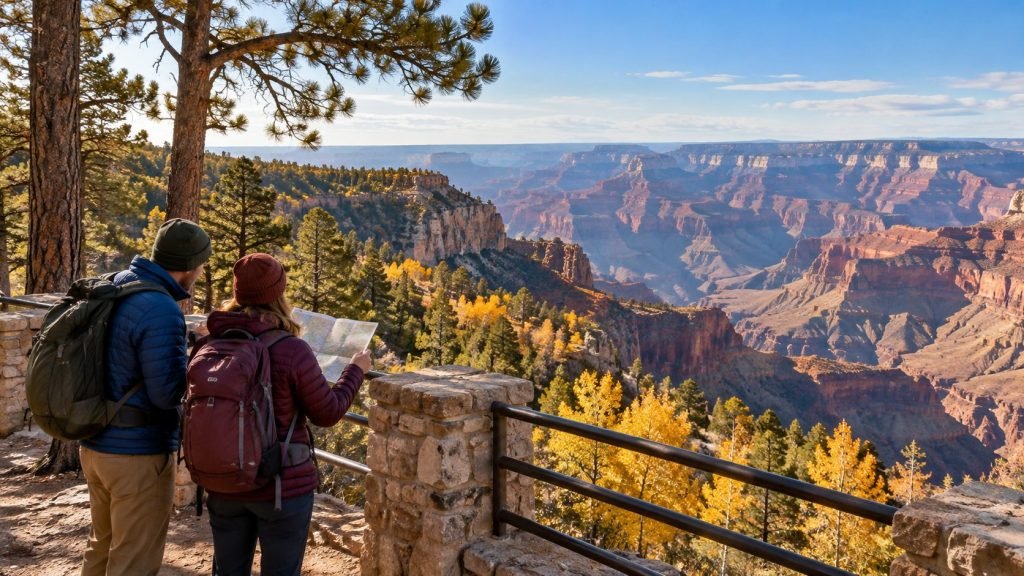
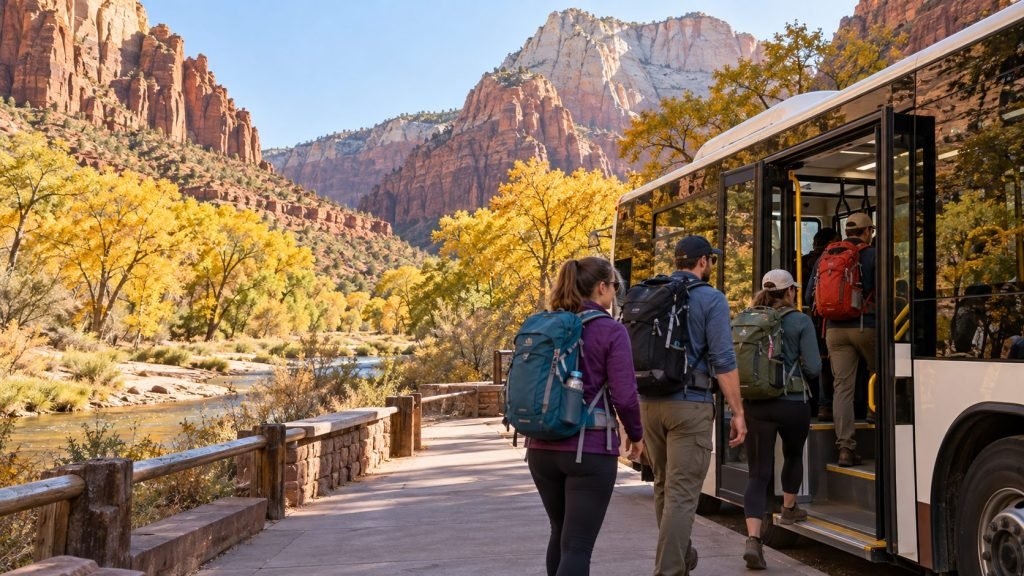
- The National Parks Extravaganza: Denver → Moab (Arches/Canyonlands) → Las Vegas → Grand Canyon → Zion → Bryce. This one is tough without a car, but doable with some shuttles and organized tours. Consider renting a car for a segment if your budget allows.
- The Southern Charm Trail: New Orleans → Savannah → Charleston → Asheville. History, food, music, and beautiful architecture. Mostly bus routes available.
- The East Coast Explorer: Boston → New York City → Philadelphia → Washington D.C. Packed with history and culture. Easy train and bus connections.
My personal favorite long distance backpacking USA trip was a mix of the Rockies and the Southwest. I started in Denver, took a bus to Moab for some serious hiking, then another bus to Santa Fe for some amazing art and food, before heading down to Tucson. It was varied and stunning.
Backpacking Essentials USA: What to Actually Pack
Less is more, but don’t skimp on the important stuff. I learned this the hard way by hauling a giant, overstuffed backpack through humid Georgia in July. Sweaty, miserable me.
- A Good Backpack: Seriously, don’t cheap out here. Get one that fits your torso properly. I have a 50-liter pack, and it’s plenty for most trips.
- Comfortable Walking Shoes: You’ll be doing a LOT of walking.
- Layers: The weather can change on a dime.
- Reusable Water Bottle: Essential for staying hydrated and saving money.
- Travel Towel: Quick-drying and lightweight.
- Basic First-Aid Kit: Band-aids, antiseptic wipes, pain relievers.
- Charger/Power Bank: Your phone is your map, camera, and connection.
- Headlamp: Super useful in hostels or for nighttime walks.
- Padlock: For hostel lockers.
- Book/Journal: For downtime.
My Biggest Packing Mistake?
I once packed three pairs of jeans. Three! They’re heavy and take forever to dry. Now? One pair of quick-dry pants and maybe some shorts. Live and learn, right? And don’t forget sunscreen, even if it’s cloudy. The sun is no joke in many parts of the US.
Who is this USA Backpacking Guide NOT For?
If you’re looking for luxury resorts, fine dining every night, and not having to think about where your next meal is coming from or how you’re getting there, this probably isn’t for you. This is for the adventurer, the budget-conscious traveler, the one who wants to see the real America.
FAQs You Might Be Wondering About
Q: Is it safe to go backpacking USA solo as a woman?
A: Honestly, yes, it is. I’ve done a lot of solo female travel in the US, and the vast majority of my experiences have been incredibly positive. Like I said before, it’s about being smart and aware. Stick to well-traveled routes and hostels, trust your gut, and don’t be afraid to ask for help. I’ve found most people, especially fellow travelers and hostel staff, are super helpful and looking out for each other. There are tons of online communities for solo female travelers you can connect with before and during your trip for advice!
Q: How much money do I *really* need for a month of backpacking?
A: This is tough because it varies SO much. But for budget backpacking USA, if you’re doing hostels, cooking a lot of your own food, and using buses, you could probably get by on $50-$75 a day on average. That’s $1500-$2250 for a month. This doesn’t include your flights to get to your starting point, or any major excursions (like a pricey guided tour in a National Park). If you’re splurging on a few nice meals or day trips, it’ll be more. I tend to budget around $60 a day and usually have a little left over for souvenirs or a treat.
Q: Are there any hidden costs I should know about?
A: Oh yeah, definitely. Gas can add up if you’re renting a car. Some National Parks have hefty entrance fees (consider an America the Beautiful pass if you’re visiting several). City transit can add up. And don’t forget tips! In the US, tipping is expected for many services – restaurant servers (15-20%), bartenders, tour guides, hotel staff. Factor that into your budget. Also, sometimes booking fees on third-party sites can be higher than booking directly.
So there you have it. My honest, sometimes messy, but always enthusiastic take on backpacking the USA. It’s an adventure waiting to happen. Go make some memories!