Ready to ditch the ordinary? Let’s talk Adventure Travel USA!
Okay, so you’re thinking about getting out there, right? Beyond the theme parks and the predictable beach vacations. You want something that gets your heart pounding, makes you feel alive, and maybe even teaches you a thing or two about yourself. That’s where adventure travel USA comes in. And honestly, America is like a giant playground for us thrill-seekers.
I’ve been chasing adrenaline across this country for… well, let’s just say a good chunk of my adult life. I’ve scaled rocky peaks in the Rockies, kayaked through turquoise waters in Alaska, and even (almost) survived a white-water rafting trip that my friends still laugh about. So, I’ve learned a thing or two, made my fair share of rookie mistakes (like underestimating how cold that mountain air can get in July!), and found some truly epic spots along the way.
Why Adventure Travel in the USA is a No-Brainer
It’s simple, really. The sheer diversity of landscapes. One day you can be rappelling down a canyon in Utah, and the next, you’re learning to surf in the Pacific. You don’t need a passport to experience mind-blowing natural wonders and heart-stopping activities. Plus, the infrastructure for outdoor adventure travel USA is pretty dialed in, generally speaking. Most national parks and popular adventure hubs have tons of outfitters, guided tours, and well-maintained trails. That said, always do your homework!
Let’s break down some of my absolute favorite adventure destinations in America.
The Grand Canyon, Arizona: More Than Just a Pretty View
Everyone knows the Grand Canyon, right? But most people just look over the edge. Big mistake. The real adventure happens *inside* the canyon. I did a rim-to-river hike a few years back, and let me tell you, it’s no joke. We started at 5 AM, and by noon, the heat was INTENSE. I remember thinking, ‘Why didn’t I pack more electrolyte tabs?’ That was a hard lesson learned about packing smart for extreme conditions. We ended up at Phantom Ranch, which is this little oasis at the bottom. You have to book those cabins way, way in advance – like, a year or more. Or, you can camp, which is more accessible but still requires planning and permits. The hike back up? Brutal. But the stars at night, with zero light pollution? Unforgettable. If you’re not up for the full hike, there are shorter trails that still offer amazing views and a taste of the canyon’s immensity.
Insider Tip: Don’t rely solely on park shuttles if you’re trying to hit popular viewpoints at sunrise or sunset. Renting a car or joining a small guided tour can give you way more flexibility. And seriously, bring more water than you think you’ll need. The park rangers are super helpful, but they’ll tell you the same thing.
Moab, Utah: Red Rocks, Rigs, and Rapids
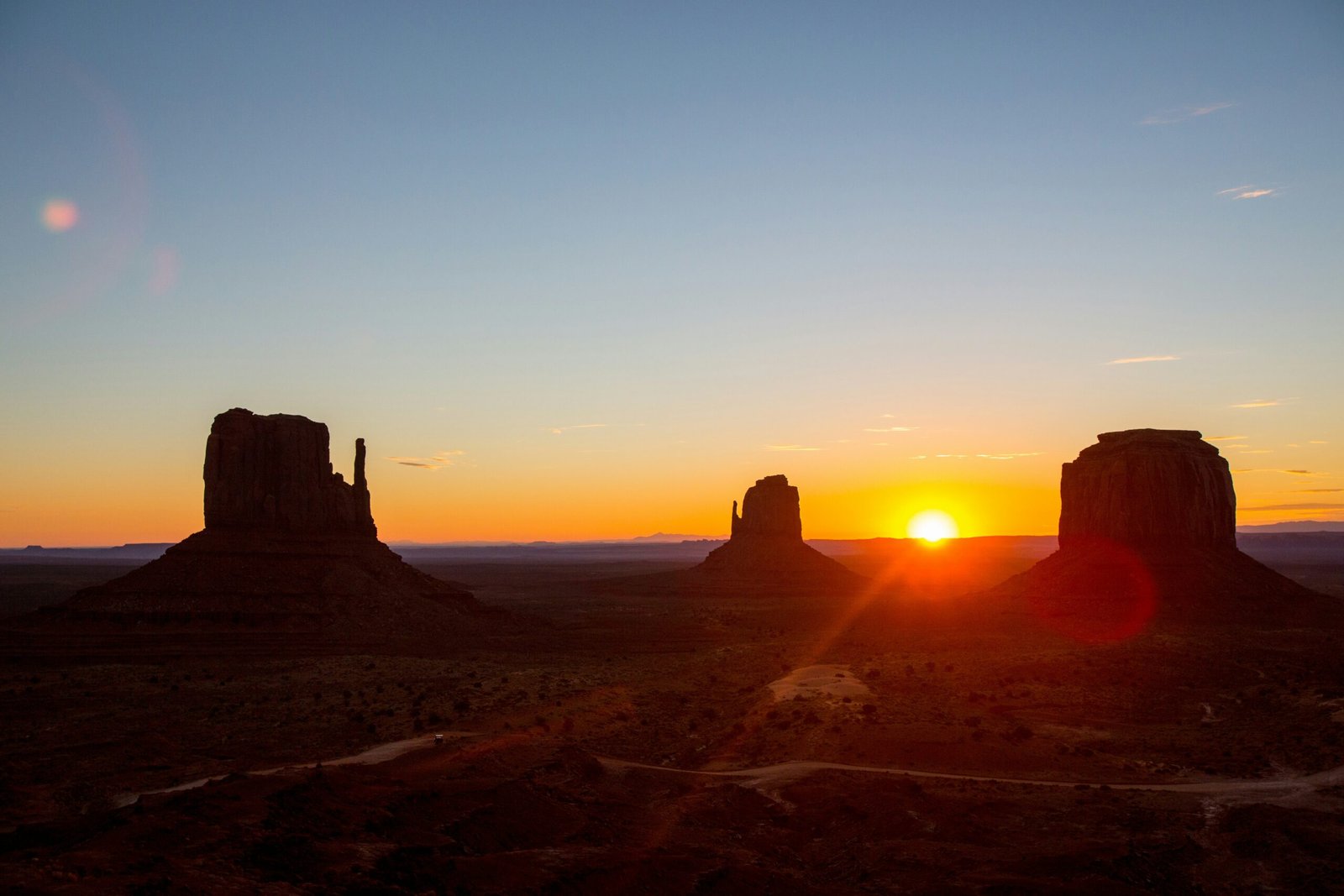
If you’re into off-roading and mountain biking, Moab is your Mecca. Arches National Park and Canyonlands National Park are right there, offering some of the most iconic red rock formations you’ll ever see. I spent a week here last spring, renting a Jeep. Driving the Shafer Trail, which is essentially a cliffside road carved into the rock? Terrifying and exhilarating all at once. You see these massive trucks bouncing along, and you just think, ‘How do they not go over?’
But Moab isn’t just about dust and rocks. The Colorado River runs right through it, making it a prime spot for white-water rafting. I did a half-day trip on the Upper Colorado, and while it was more splashy than truly terrifying (perfect for beginners!), the scenery was insane. Towering sandstone cliffs, hidden canyons… it felt like a movie set. For the truly adrenaline-crazed, the Lower Colorado offers more challenging rapids. There are outfitters everywhere in Moab; I booked my Jeep through Canyonlands Jeep Adventures and my rafting trip with Sheri Griffith Expeditions. Both were solid.
Mistake I Made: I booked my Jeep for just two days. Big error. There’s so much to explore, I wish I’d had it for at least four. Also, those slickrock trails? They look innocent, but they’ll test your skills. Don’t be a hero on your first go; maybe take a guided tour if you’re new to mountain biking.
Denali National Park, Alaska: Where the Wild Things Are (and Huge Mountains!)
Okay, this is for the serious adventurers. Denali is wild. Untamed. And absolutely breathtaking. I went in late August, hoping to catch the fall colors and maybe a glimpse of Denali itself (it’s notoriously shy, often hidden by clouds). The park roads are mostly unpaved and only accessible by park-provided buses or authorized tour operators. You can’t just drive your own car deep into the park. This is a critical point – and a surprise for many!
I opted for a multi-day bus tour that allowed us to disembark and hike. This is where the outdoor travel experiences USA really shine. We saw grizzly bears, caribou, moose, and Dall sheep up close (from a safe distance, of course!). The sheer scale of the park is overwhelming. And then there’s Denali, North America’s tallest peak. When the clouds parted, and we saw its snow-capped summit… wow. Just wow. It’s a humbling sight.
Expert Tip: Dress in layers. And then layer some more. Even in August, the weather can change in an instant. I learned this the hard way when a sunny morning turned into a windy, drizzly afternoon. A good waterproof and windproof outer layer is non-negotiable. Also, bring bear spray and know how to use it – though the park rangers will brief you. It’s pretty much standard issue for backcountry travel here.
Zion National Park, Utah: Slot Canyons and Sky-High Trails
Zion is famous for Angels Landing, and for good reason. It’s a hike that requires you to hold onto chains bolted into sheer rock faces. Not for the faint of heart, or those with a fear of heights. I did it a few years ago, and my knuckles were white the whole time. The views from the top, though? Worth every shaky step. But Zion has so much more to offer for adventure travel USA.
My personal favorite is hiking The Narrows. This is where you hike *in* the Virgin River, sometimes wading through waist-deep water, surrounded by towering canyon walls that are thousands of feet high and only a few dozen feet apart. It feels like stepping into another world. You’ll need to rent special water shoes and a walking stick from one of the local outfitters in Springdale (the town just outside the park). I went with Zion Adventure Company, and they were great. They also rent dry bags, which are a lifesaver for your phone and camera. The water can be cold, even in summer, so a wetsuit top is a good idea if you plan on going deep into the canyon. I skipped it on my first trip and regretted it!
Who this is NOT for: If you’re not comfortable being wet, cold, or navigating uneven riverbeds, stick to the paved trails or Angels Landing (if you’re brave enough for that!). The Narrows is an immersive experience, and that means getting wet.
Adrenaline Activities USA: Beyond the Mountains and Canyons
It’s not all about hiking and climbing, though those are pretty amazing. The USA offers a buffet of adrenaline activities USA. Think:
- Skydiving: From the beaches of California to the plains of Texas, you can take the plunge. I tried it in Moab, and the feeling of freefall over those red rocks was… indescribable. Totally worth the ~$250 price tag (though it varies wildly by location and package).
- Bungee Jumping: Less common in the US than other countries, but places like Las Vegas and some adventure parks offer it.
- Caving/Spelunking: Explore the underground world in places like Carlsbad Caverns (New Mexico) or Luray Caverns (Virginia). Some offer guided tours for beginners, while others are for experienced cavers only.
- Zip-lining: You can find zip-lines in pretty much any mountainous or forested area. Great for a thrill without the intense commitment of a full climb.
- Surfing/Kitesurfing: California, Hawaii, and even parts of the East Coast (Outer Banks, North Carolina) offer great opportunities. I took a beginner surf lesson in San Diego and spent more time falling off the board than riding it, but it was still a blast! The instructors at Pacific Beach Surf Lessons were patient, thankfully.
The key with most extreme sports USA travel is choosing reputable operators. Always check reviews, ask about their safety records, and make sure your guides are certified. A cheap price often means cutting corners on safety, and that’s a trade-off you do *not* want to make.
Planning Your Adventure Vacation Ideas USA
So, how do you start planning your own epic adventure travel guide USA journey? It’s more than just picking a destination. Here are some of my top tips for planning the best adventure trips USA:
- Know Your Limits (and Be Honest!): Are you a seasoned climber or a beginner looking for a mild thrill? This will dictate where you go and what you do. Don’t try to hike to the bottom of the Grand Canyon in one day if you’ve never hiked more than 5 miles. Seriously.
- Book in Advance (Especially for Popular Spots): I cannot stress this enough. For places like Phantom Ranch, national park backcountry permits, or even popular guided tours, booking months, if not a year, ahead is often necessary. I missed out on a prime camping spot in Yosemite once because I waited too long. Ugh.
- Budget Wisely: Adventure tourism USA can range from super budget-friendly (camping, self-guided hikes) to quite expensive (multi-day guided expeditions, private charters). Factor in accommodation, food, gear rental, park fees, and the cost of the activity itself. Don’t forget travel to and from your destination.
- Pack Smart: This is where experience really kicks in. Proper gear can make or break your trip. Layers, waterproofs, good hiking boots, sunscreen, a first-aid kit – these are non-negotiables. If you’re unsure, rent gear from local outfitters before you buy. I wasted a bit of money on specialized hiking pants I only wore once before realizing I preferred a different brand.
- Be Flexible: Weather happens. Trails get closed. Animals decide to hang out in the middle of the road. Have backup plans. Or at least a willingness to adapt. Some of the best adventure moments come from unexpected detours.
Final Thoughts on Unleashing Your Inner Explorer
The USA is bursting with opportunities for incredible adventure travel. From scaling iconic peaks to navigating roaring rivers, there’s something for every level of thrill-seeker. My advice? Start small, build your confidence, and always, always respect the environment you’re exploring. And get ready to make some memories that will last a lifetime. Happy trails!
Frequently Asked Questions
Q: I’m totally new to this. What’s a good ‘starter’ adventure trip in the USA?
A: For beginners, I’d recommend something like a guided kayaking tour in a calm bay (like San Juan Island, Washington, for whale watching potential) or a guided multi-day backpacking trip in a well-trafficked area like parts of the Appalachian Trail where there are plenty of shelters and ranger stations. Another great option is a beginner-friendly white-water rafting trip on a river with Class II-III rapids – places like the Pigeon River in North Carolina or parts of the Colorado River in Utah are good for this. The key is to go with reputable outfitters who offer instruction and support.
Q: Are adventure trips in the USA expensive? I’m on a bit of a budget.
A: They *can* be, but they don’t have to be! Camping is a huge money-saver for accommodation. Many national parks have affordable campsites. Hiking and exploring parks are often free or have minimal entrance fees. Pack your own food for picnics instead of eating out every meal. For activities, look for package deals or consider doing some things yourself if you have the skills and gear (like a self-guided day hike). For example, a multi-day guided canyoneering trip might cost $1000+, but you could hike to a beautiful waterfall for free! It’s all about prioritizing what you want to spend money on.
Q: What’s the best time of year for adventure travel in the USA?
A: Honestly, it depends on where you’re going and what you want to do! Spring and fall are generally fantastic for hiking and climbing in many regions because the temperatures are milder and the crowds are smaller. Summer is prime time for water sports and high-altitude adventures, but it can be very hot in desert areas and crowded in popular national parks. Winter opens up opportunities for snow sports like skiing and snowboarding in places like Colorado and Utah, and exploring places like Yellowstone with snowmobiles. My personal sweet spot is often late September/early October – the fall colors are amazing in many places, and the summer crowds have thinned out.