Okay, so you’ve got the travel bug, huh? Awesome! And you’re eyeing the USA for your grand adventure, but your wallet’s doing a sad little jig? Been there, my friend. I’ve been crisscrossing this massive country for years on a shoestring, and let me tell you, it’s totally doable. This isn’t some fancy, unattainable dream; it’s pretty much my jam. So, buckle up, because this budget travel guide for beginners is going to get you exploring the USA without needing a second mortgage.
So, You Wanna Travel the USA on a Budget? Let’s Do This.
First things first, let’s get real. Traveling the USA on a budget isn’t about deprivation. It’s about smart choices. It’s about knowing where to find the good stuff without shelling out a fortune. I learned this the hard way, like that time in Chicago I paid $50 for a tiny hotel room that felt like a closet. Oof. Now, I know better. This guide is packed with everything I wish I knew when I first started trying to travel on a low budget USA.
Choosing Your Adventure: Where to Go?
The USA is HUGE, so the first step in budget travel planning USA is picking a region. Some places are just naturally more expensive than others. For instance, I found visiting the Pacific Northwest, like Seattle and Portland, a bit pricier for accommodation than, say, the South. My first big solo trip was to Denver last March, and I was shocked at how affordable everything felt once I got out of the super touristy downtown areas.
- The Big Cities: New York, LA, San Francisco? Absolutely amazing, but they will test your budget big time. You gotta be strategic here. Think hostels, free walking tours, and eating from food trucks.
- National Parks: This is where the magic happens for less cash. Places like Zion, Yellowstone, or the Grand Canyon offer jaw-dropping scenery for the price of an entrance fee (which is usually a steal, especially if you get an America the Beautiful Pass for $80, valid for a year!). I’ve spent weeks camping and hiking in these places and it barely put a dent in my bank account.
- Smaller Towns & Mid-Size Cities: Honestly, these are often the sweet spot for beginner budget travel tips USA. Think Austin, Texas; Asheville, North Carolina; or even parts of the Midwest. You get culture, good food, and way more affordable lodging.
Flights: The Big One. How to Snag a Deal?
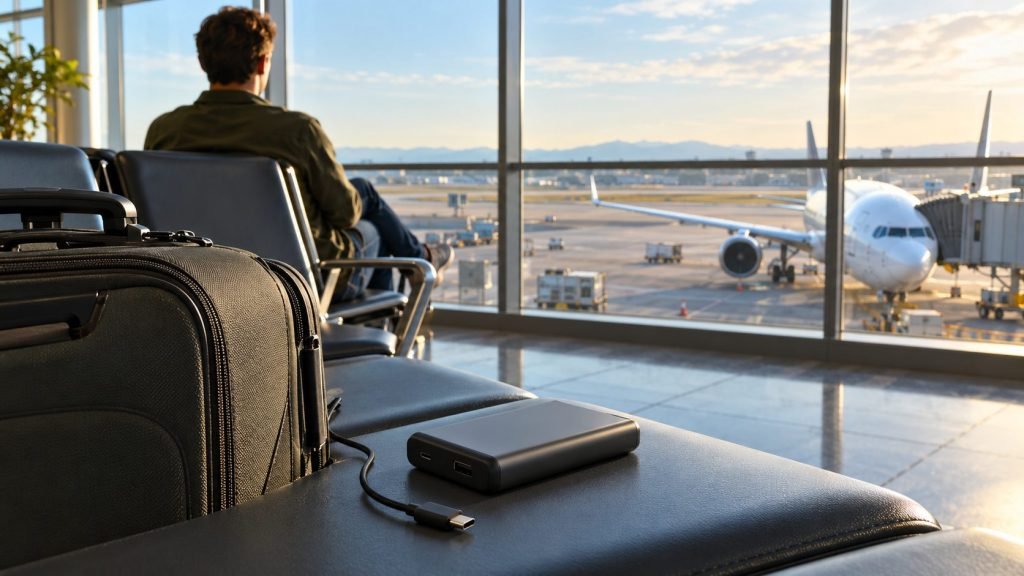
Okay, the dreaded flight cost. This is where many beginners feel defeated. But trust me, there are ways! I’ve learned to be super flexible with dates and times. Flying on a Tuesday or Wednesday is almost always cheaper than a Friday or Sunday. And don’t just check one airline! I’ve used Google Flights, Skyscanner, and Kayak religiously. The trick is to set up alerts! I once saved $150 on a flight to Florida because I got an alert that the price dropped. It’s all about timing and persistence. And seriously, look at budget airlines like Southwest (they fly anywhere!) or Spirit, but always read the fine print about baggage fees. Those can add up faster than you think.
Insider Tip: Consider flying into a smaller, secondary airport near your destination. Sometimes, the savings are huge, even with a slightly longer bus or train ride to your final stop. For example, flying into Burbank instead of LAX can sometimes be cheaper.
Accommodation: Your Home Away From Home (Without Breaking the Bank)
This is another massive cost, but there are tons of options for how to travel on a budget in USA. I’m talking way beyond just hotels. For my first trip to a new city, I usually scout out a few options.
- Hostels: Don’t let the name scare you! Many hostels these days are super clean, modern, and offer private rooms if you’re not keen on dorms. They’re also fantastic for meeting other travelers. I stayed in a hostel in Denver last year, and the communal kitchen saved me SO much money on food. I ended up making friends and cooking dinner together most nights.
- Airbnb/VRBO: Renting a room or even a whole apartment can be cost-effective, especially if you’re traveling with a friend or two. Having a kitchen is a game-changer for saving money on meals.
- Budget Hotels/Motels: Think chains like Motel 6, Super 8, or Best Western. They’re not fancy, but they’re usually clean and safe. I’ve booked these last minute when camping wasn’t an option due to weather, and they were perfectly fine. Just check reviews!
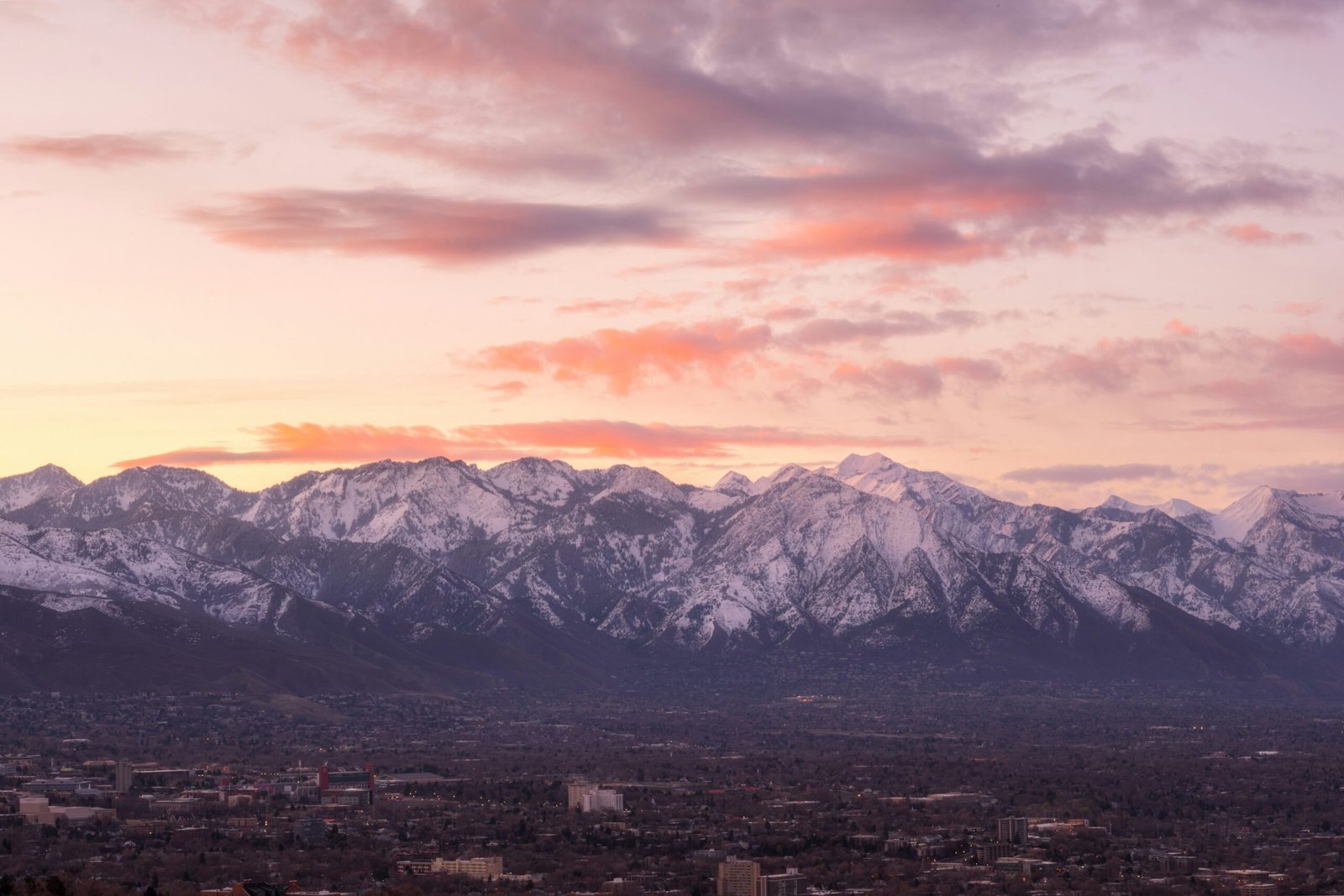
- Camping: If you’re adventurous and visiting national or state parks, camping is hands-down the cheapest way to go. You can even find free dispersed camping on some BLM (Bureau of Land Management) land if you’re prepared. I’ve done this in Utah and it was an incredible experience. The nights under the stars were unforgettable.
Mistake I Made: I once booked a “cheap” hotel in a sketchy part of town. Big mistake. It was dirty, noisy, and I didn’t feel safe. Always read recent reviews, and look at the location on a map before booking anything, no matter how good the price seems.
Food: Fueling Your Adventures
Eating out for every meal in the USA is expensive. Period. But you can still eat REALLY well on a budget. This is where beginner friendly travel hacks come in handy.
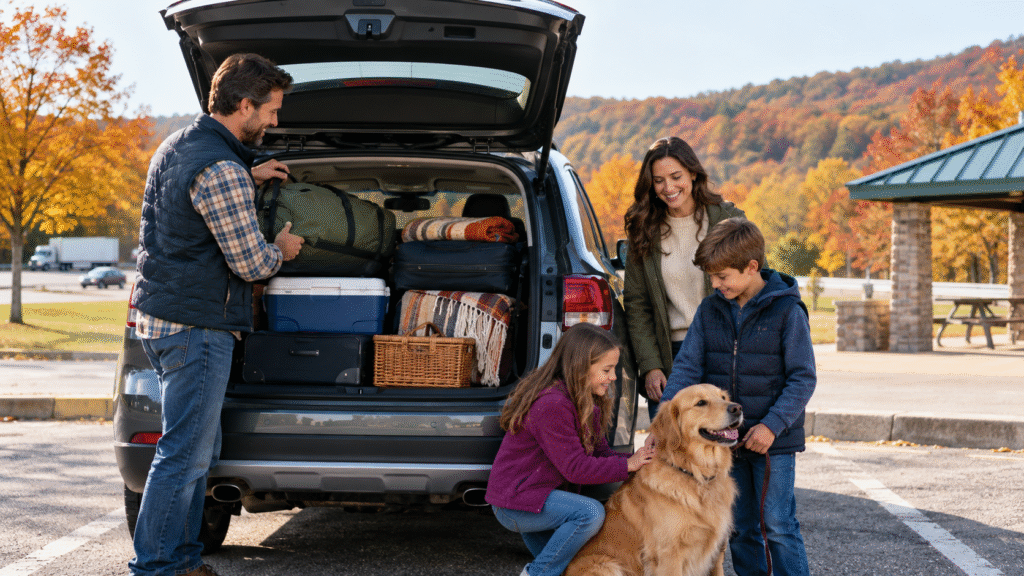
- Grocery Stores are Your Best Friend: Seriously. Buy breakfast items, snacks, lunch stuff, and even ingredients for simple dinners. I always pack a cooler bag for road trips and load up on sandwiches, fruit, and veggies.
- Picnics: Find a scenic spot – a park, a beach, a viewpoint – and have a picnic. It’s way more enjoyable and way cheaper than a sit-down restaurant.
- Food Trucks & Local Markets: These are goldmines for delicious and affordable eats. You’ll often find local specialties and authentic flavors without the restaurant markup.
- Happy Hours: Many restaurants offer great deals on appetizers and drinks during happy hour. It’s a good way to sample some local cuisine for less.
- Look for Lunch Specials: Dinner menus are almost always more expensive than lunch. If you want to try a particular restaurant, aim for a lunch visit.
Real-Life Example: When I was in New Orleans, instead of a pricey seafood dinner, I hit up a local oyster bar for a dozen happy hour oysters and a Po’boy from a little stand. Cost me about $20 and was one of the best meals I had all week!
Transportation: Getting Around Without Going Broke
This is another biggie. How do you see the country without racking up car rental fees and gas prices?
- Public Transportation: Major cities usually have decent public transit systems (subways, buses). Research the best passes for your stay. I’ve found using the bus system in cities like Chicago to be super efficient and saved me a ton.
- Intercity Buses: Companies like Greyhound or FlixBus are often way cheaper than flying or taking trains for longer distances. The rides can be longer, sure, but the cost savings are significant for those looking to save money traveling USA.
- Trains: Amtrak can be pricier than buses, but it offers a more comfortable experience and sometimes incredible scenery. If you book well in advance, you can sometimes find good deals.
- Car Rentals (with caution!): If you do need a car, book in advance, compare different companies, and always check for hidden fees (like one-way drop-off fees). Sometimes, renting from an off-airport location can be cheaper. I learned this the hard way renting a car in Las Vegas and got hit with a surprise $50 airport surcharge.
- Ride-Sharing/Carpooling: For shorter distances or within cities, services like Uber and Lyft can be useful, but they add up. Look into local carpool options if available.
Activities: Fun Without the Price Tag
You don’t need to spend a fortune on attractions. There’s so much to do for free or cheap!
- Free Walking Tours: Almost every major city offers them. They’re a fantastic way to get oriented and learn about the history and culture. Tip your guide well, though!
- National & State Parks: As mentioned, these are incredible value. Hiking, enjoying the views, wildlife spotting – all free (after entry fee).
- Museum Free Days: Many museums have specific days or hours where admission is free or heavily discounted. Research this beforehand! I’ve timed my visits to some places around these days.
- Explore Neighborhoods: Just wandering through interesting neighborhoods, people-watching, and soaking in the atmosphere costs nothing.
- Parks and Gardens: Most cities have beautiful public parks. Pack a book, have a snack, and enjoy the green space.
My Take on Theme Parks: If your dream is Disneyland or Universal Studios, it’s going to be a splurge. I’m not going to lie. But for a beginner budget traveler, maybe save those for a later trip or look for ways to save on tickets (like buying them far in advance). I once spent $300 on a single day at a Disney park and honestly, while it was fun, I could have had equally amazing memories for a fraction of the cost elsewhere. That’s my opinion, of course.
Budget Travel Planning USA: The Basics
Okay, let’s boil it down. Budget travel basics are all about preparation. I’ve been doing this for about seven years now, and have taken over a dozen multi-week trips across the country. My method has evolved, but the core principles remain.
- Set a Daily Budget: This is non-negotiable. Decide how much you want to spend per day on accommodation, food, transport, and activities. Track your spending! I use a simple notes app on my phone.
- Research, Research, Research: The more you know before you go, the better. Look up free activities, affordable eateries, and public transport options.
- Travel Off-Season: Prices for flights and accommodation are significantly lower outside of peak tourist times (summer, holidays). Shoulder seasons like spring and fall are often perfect.
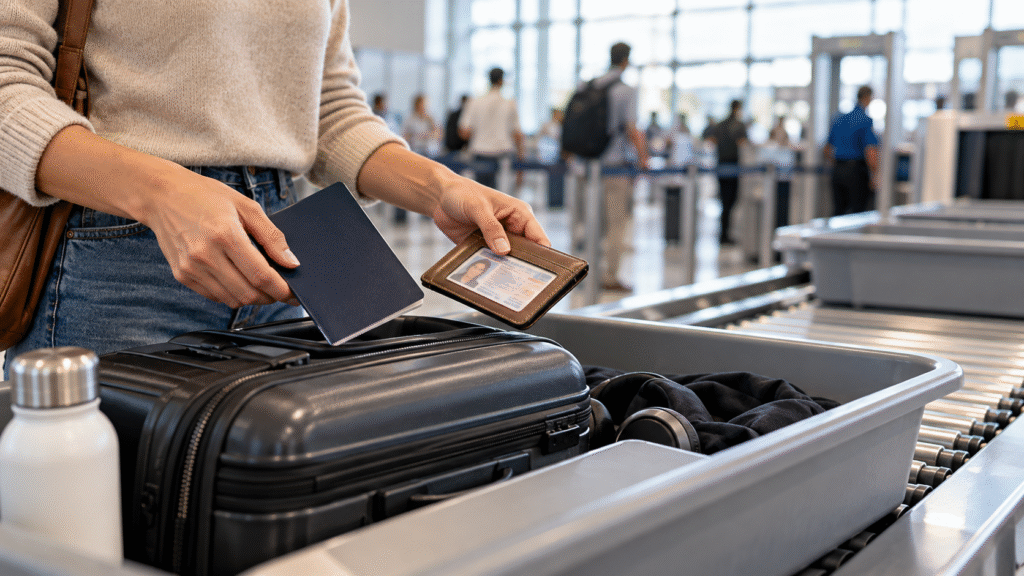
- Pack Light: Avoid checked baggage fees and make getting around easier.
- Be Flexible: Sometimes the best deals come from unexpected opportunities. Be open to slight changes in your itinerary.
Who This Budget Travel Guide is NOT For:
If you’re looking for five-star resorts, Michelin-star dining every night, or private tours in a limo, this guide probably isn’t for you. It’s about experiencing the USA authentically and affordably. It requires a bit more effort and a willingness to embrace simpler, often more rewarding, experiences.
FAQs You Might Be Asking:
Q: How much money do I *really* need to travel the USA on a budget?
A: Honestly, it varies wildly! But for a very basic budget trip, aiming for $75-$100 per day (excluding flights to get there) is a decent starting point if you’re doing hostels, cooking some meals, and focusing on free activities. If you want a bit more comfort, like budget hotels and eating out occasionally, $120-$150 a day is more realistic. I tracked my expenses in Portland last fall, and with a mix of Airbnb, mostly groceries, and a few restaurant meals, I was around $110/day. That’s just my experience, though!
Q: Is it safe to stay in hostels as a solo traveler, especially for women?
A: For the most part, yes! I’ve met so many incredible solo female travelers in hostels, and most are very safety-conscious. Always book hostels with good reviews, look for 24-hour reception, and use the lockers provided. Many hostels also have female-only dorms, which can offer extra peace of mind. I’ve never had a serious issue, but it’s always good to be aware of your surroundings and trust your gut, just like you would anywhere else.
Q: What’s the biggest mistake beginners make?
A: Not planning ahead enough and not tracking expenses. People sometimes just wing it and end up overspending on impulse decisions. I once blew $200 on last-minute train tickets because I didn’t book them a week in advance like I planned. Also, underestimating food costs! It adds up fast if you’re not careful. So, a little bit of upfront planning and a rough daily budget can save you a lot of headaches (and money!).
So, there you have it. Your starting point for some amazing adventures without emptying your bank account. The USA is waiting!